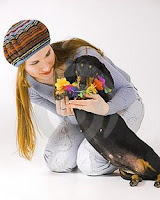
Are you a dog lover? Are you allergic to dogs or pets? Is your condition keeping you from doing what you love most- take care of dogs? If so, here are some things you need to know about pet allergy:
What causes dog allergy?
People with allergies have very sensitive immune systems. Some people are allergic to dusts, pollen or dander while some are allergic to dog saliva.
Dog hair or pet hair itself is not the allergen but they do collect dander, dusts and pollen. Thus, larger dogs, long-haired dogs or dogs with thick fur collect more allergens and highly trigger allergic reactions to people with pet allergies.
Reactions differ from person to person. The most common reactions of pet allergy are watery eyes, sneezing, runny nose, itchiness, skin rashes, wheezing and coughing. Other more serious reactions include fatigue, shortness of breath and asthma attacks. When exposed to cats, dogs or other pets (carrying allergens), a person with pet allergy may experience one or a combination of these reactions.
 Are there really dogs that are hypoallergenic?
For people with severe allergies, it is not recommended not to get a pet and compromise health. Nevertheless, some people have milder forms of allergies and may be able to tolerate exposure to certain dog breeds.
Hypoallergenic means less allergy causing. Although there is no dog that is completely non-allergenic or 100% allergy proof, smaller dogs with short hair and hairless dogs are known as allergy-friendly dogs. Examples of allergy-friendly dog breeds are Airedale Terrier, American Hairless Terrier, Bichon Frisé, Greyhound, Maltese, Miniature Poodle, Shih Tzu, Yorkshire Terrier, just to name a few.
Tips for people with Pet Allergy
If you have a mild dog allergy, consider these tips to lessen the degree or avoid triggering allergic reactions.
 Choose a hypoallergenic dog.
Spend some time with the dog first before choosing. Before you take the dog home, spend at least 30 minutes with the dog to see how your body reacts.
Pay attention to cleanliness. Keeping your surroundings clean is crucial if you really want to keep a dog. Use a lint roller to pick up hair, dusts, and dirt more easily. If your dog makes a mess (poops or pees), be sure to clean up that area with a detergent right away. Never leave it unattended. Arm yourself with cleaning agents to make cleaning tasks easier for you. (Paper towels, stain removers, lint rollers, disinfectants, anti-allergy products, etc.)
Keep your dog clean. Bathe your dog regularly using a mild dog shampoo to keep hair from shedding and skin from flaking. Ask your vet about the frequency of bathing that is ideal for your dog breed. Wash your dog’s clothes, beddings, leash, collar and toys frequently with an anti-allergen detergent.
Brush your dog’s fur everyday. If brushing your dog’s fur does not trigger allergic reactions in you, do it on a daily basis as brushing helps clean up the fur and prevents shedding.
Wear a mask when in close contact with your dog. When grooming your dog, wear a face mask to avoid inhaling airborne allergens.
Always, wash your hands after playing or grooming your dog.
Get rid of the unwanted dog smell. Use cleaning products that are especially made for getting rid of pet odor. Adding baking soda or vinegar to water is also a cheap and effective way to eliminate bad odors.
Teach your dog about boundaries. Certain areas of your home should be strictly restricted. You may choose a room where your dog can hang out but don’t let him step inside your living room, your kitchen or your bedroom. This way, you control the dander to only certain areas of the house.
Avoid furniture that collects dander. Leather furniture picks up less dander than furniture with fabric and is also much easier to clean. Avoid carpeted floorings where allergens stick and stay.
Don’t let your dog sit/lie on your furniture. Give your dog his own bed to sleep on and his own cushion to sit on. Teach him about limits.
Train your dog well. A properly trained dog will make life easier especially if you have pet allergy.
Limit your interaction with your dog. Don't kiss your dog or let your dog lick your hands and face. Nor should you let your dog sit on your lap. If you want to bond with your dog, choose activities that involve less touching such as playing catch or frisbee, walking or running together.
WARNING: Be sure to see a doctor first, before deciding that your allergy is tolerable or mild enough to keep a pet.


 What is mitral valve disease?


